Cost guides · 3 min read
Flooring Costs Explained: What to Include in Your UK Quote
Understand flooring costs by separating materials, underlay, preparation, fitting, trims and disposal.
By the RoomAI Studio editorial team
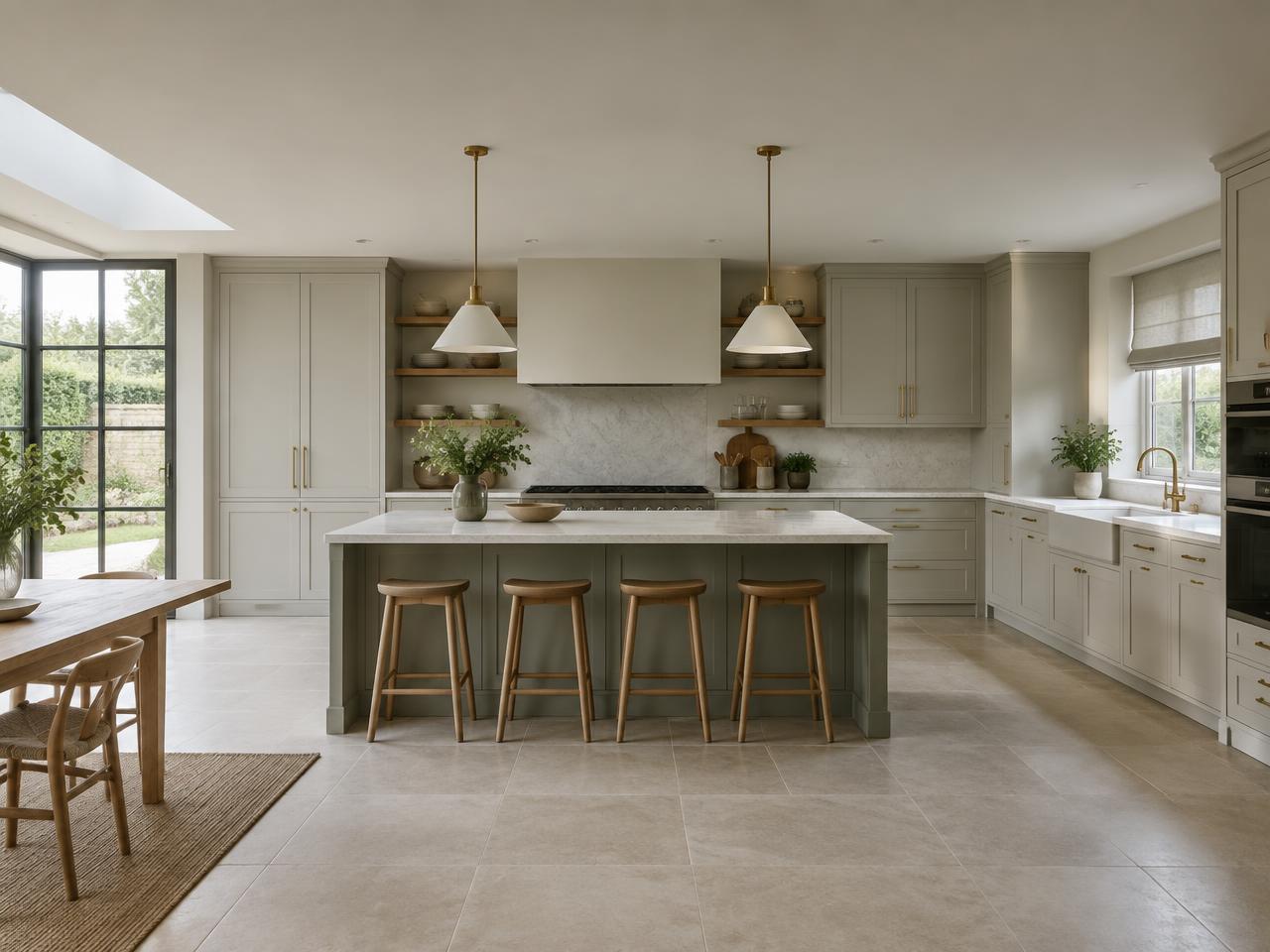
Why one price rarely tells the whole story
Flooring prices vary widely by material, quality, room shape and installation needs. Which?’s carpet buying guidance emphasises careful measurement and considering underlay and fitting. Compare the full installed cost rather than the headline price per square metre.
Cost components
Ask for these items to be listed separately:
- Flooring material, including waste allowance.
- Underlay or acoustic layer where required.
- Subfloor preparation or levelling.
- Fitting labour, door trimming and thresholds.
- Removal and disposal of old flooring.
- Moving furniture, if offered.
Material considerations
The best material depends on the room’s use, moisture levels and comfort needs.
Carpet
Feels warm underfoot and can soften sound. Underlay affects comfort and performance, as Carpetright explains in its underlay guidance.
Laminate and vinyl
Can suit busy areas, but suitability for kitchens and bathrooms depends on the specific product and installation.
Wood and engineered wood
Offer natural grain. Check expansion gaps, moisture guidance and compatibility with underfloor heating.
Measuring and quoting
Your measurements are useful for budgeting, but the fitter should confirm final quantities. Patterned products and odd-shaped rooms may require more waste. Get multiple itemised quotes and ask what happens if extra preparation is discovered.
RoomAI Studio offers flooring visual comparisons and recorded retailer offers. Prices, availability and delivery terms can change, so confirm everything with the retailer and installer before buying.
A transparent calculation example
Suppose your measured room is 4 metres by 3 metres: its simple rectangular area is 12 square metres. If your installer specifies a 10% material allowance for that particular product and layout, the calculation becomes 13.2 square metres. This is an arithmetic example, not a universal waste recommendation. Pack sizes may mean ordering more than that quantity.
Using a fictional material allowance of £30 per square metre, 13.2 square metres would cost £396 before pack rounding, delivery, fitting or preparation. Replace £30 with the actual current product price and the installer’s quantities. A quotation at £396 that includes only material cannot be compared fairly with another quotation that includes the full installation.
Read the pricing unit
Some listings show a pack price and others a square-metre price. Check pack coverage, minimum quantities and whether trims are sold individually. Record those units in your worksheet so a low pack price does not appear cheaper than a larger pack that covers more floor.
Before removing the old floor
Agree who removes furniture and old flooring, and whether the installer will inspect the exposed subfloor before confirming preparation. Ask how unforeseen problems will be priced and authorised. Do not assume a covering can simply be laid over the existing surface; product instructions and the fitter’s assessment should determine that.
Order samples, look at them in your room and check cleaning guidance. For timber-look products, inspect more than one piece where possible because pattern variation affects the final appearance. Keep spare material from the same batch, along with its product reference, for potential repairs.