Renting · 3 min read
Renter-Friendly Decorating Ideas for UK Homes
Make a rented room feel personal using removable changes, while protecting your deposit and relationship with your landlord.
By the RoomAI Studio editorial team
Check permission first
Hackney Council’s tenant guidance advises getting a landlord’s permission in writing before repainting or making changes, and notes that tenants may need to put things back before moving out. Your tenancy agreement and landlord’s requirements are the starting point.
- Read the tenancy clauses on decorating and fixings.
- Request written permission with a clear description.
- Photograph the room before changes.
- Keep receipts and agreed paint colours.
Changes that are usually easier to reverse
Movable items can transform a room without altering the property:
Textiles
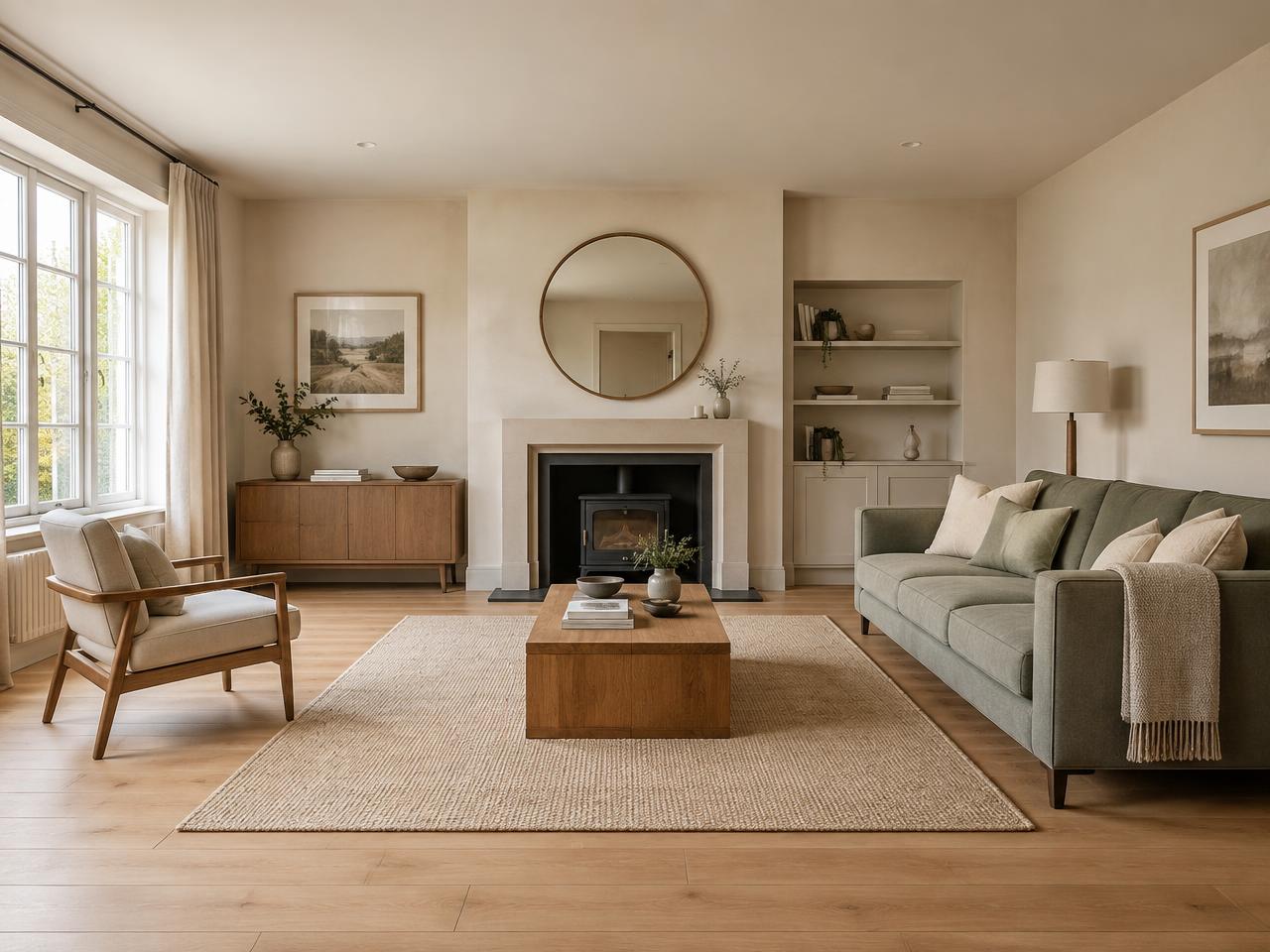
Rugs, throws, cushions and curtains add colour and comfort. Check how existing curtain fittings work before buying new curtains.
Lighting
Floor and table lamps can make a room feel warmer than relying on a single ceiling light.
Freestanding furniture
Shelving, screens and storage can define zones, but tall furniture may need anchoring—ask permission before fixing it to walls.
Be careful with “removable” products
Removable adhesives and wallpapers can damage some paint finishes or surfaces. Read the product guidance and test discreetly if allowed. Do not assume a product labelled removable will leave every wall unmarked.
- Test on a hidden area only with permission.
- Follow the manufacturer’s removal instructions.
- Avoid freshly painted or fragile surfaces.
Plan items that move with you
Choose furniture and accessories that may suit a future home. Modular storage, rugs and lamps are often more portable than built-in solutions. RoomAI Studio previews can help compare portable items before buying, but they do not replace the landlord’s permission for paint or fixings.
A practical rented-bedroom refresh
Start with what you cannot change: the carpet, wall colour and existing wardrobe. Pick a bedding colour that relates to those surfaces instead of trying to hide them all. Add a washable rug only where it will sit securely without catching the door. A freestanding lamp and a small bedside cabinet may change the atmosphere without altering the room.
Keep the original landlord-supplied items safe and labelled if you are allowed to swap them temporarily. Check where they can be stored before buying replacements. At the end of the tenancy, returning the room to the agreed condition is much easier when fittings and instructions have not disappeared into an unlabelled box.
Document an agreed paint change
If repainting is permitted, confirm the surfaces, paint colour, finish and restoration requirement in writing. A general “you can decorate” message may not answer whether dark woodwork or adhesive wall coverings are acceptable. Resolve that uncertainty before spending on materials.
Plan for the next move
Measure furniture against the delivery route as well as the room. Think about whether a sofa or shelving unit can be dismantled and whether you will retain the tools and fixings. Where possible, favour a useful size over a perfectly fitted piece that can work only in the present alcove.
Treat deposit protection as part of the project budget: keep a record of permissions and condition, and avoid spending money on changes you may have to reverse immediately. This guide is practical planning advice, not an interpretation of your individual tenancy rights; check the agreement and seek appropriate advice when there is a dispute.