Trend watch · 3 min read
Reading UK Interior Design Trends Without Chasing Fads
A practical method for evaluating interior trend round-ups and adapting ideas that genuinely suit your home.
By the RoomAI Studio editorial team
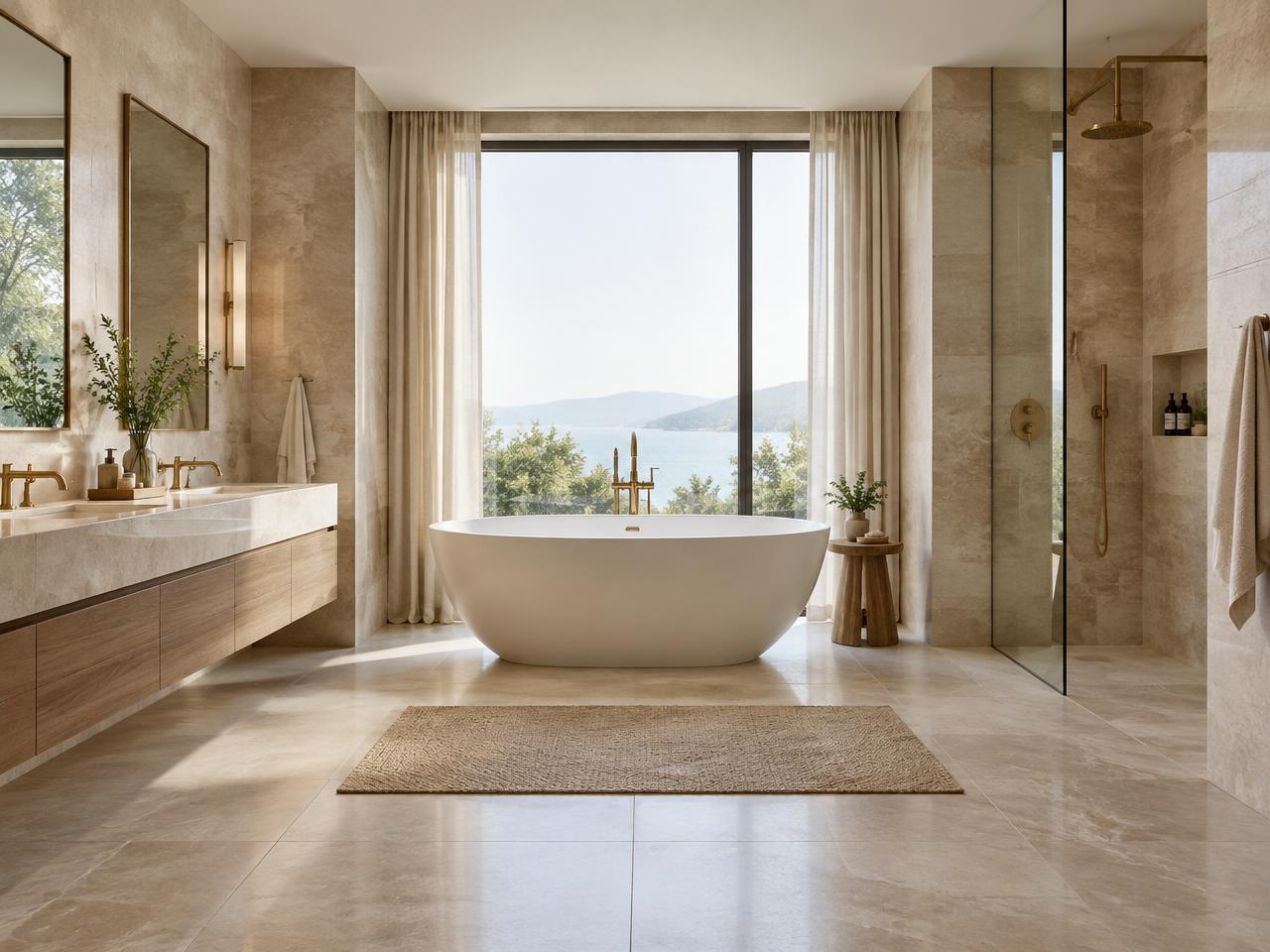
Treat trend lists as commentary
Trend features in magazines such as Ideal Home collect ideas from editors, designers and sometimes platform data. They are useful inspiration, but they do not prove that a style is popular across the UK or that it will suit your property. Ideal Home has also published designers’ differing views on trends they are tired of, which shows how subjective trends can be.
Questions to ask before adopting a trend
Use these filters to decide whether an idea deserves a place in your home:
- Does it solve a practical problem in my room?
- Does it work with fixed features such as flooring and windows?
- Will I still enjoy it after the novelty fades?
- Can it be introduced in a low-cost, reversible way?
- Is the source evidence or opinion?
Ways to try an idea safely
Start small and expand only if the idea continues to feel right.
Accessories and textiles
Cushions, throws, artwork and lamps are easier to change than kitchens or bathrooms.
Paint samples
Test colour direction with physical samples before committing to a full wall or room.
Digital previews
RoomAI Studio can help visualise a broad direction, but previews are illustrations rather than evidence of exact colours or products.
Build a personal palette
Collect images you are drawn to over several weeks and look for repeated materials, colours and shapes. Those patterns are often more reliable than a seasonal list. Combine them with the practical needs of your household, and spend more confidently on the elements that remain consistent.
Three directions to evaluate, not popularity rankings
Layered natural materials are one useful direction: a timber table, woven textile and ceramic lamp can give contrast without a complex palette. Judge whether the textures suit your cleaning routines and existing furniture, rather than assuming that a natural-looking material is automatically easier to maintain or more sustainable.
Deeper colour is another direction worth testing. A dark feature wall, upholstered chair or patterned curtain can add character, but compare the effect in shaded areas as well as near the window. You do not have to repaint the entire room to find out whether a richer colour suits you.
Flexible furniture is a third direction, particularly in rooms used for several activities. A movable side table, modular shelf or extending dining table can support changing needs. Flexibility is valuable only when the mechanism and dimensions actually work in your room.
Keep the useful idea; drop the label
You can borrow the warmth of a layered scheme without adopting every product in a magazine photograph. Identify the element you like—contrast, shape or colour—and reproduce that relationship using objects you already own. The room can feel personal rather than like a copy of a seasonal shopping list.
Check the evidence behind the headline
An increase in searches on one platform says something about those searches, not necessarily about purchases or all UK households. A designer interview explains that designer’s experience. Look for the date, sample and wording before repeating a trend claim, and be particularly cautious when a piece presents an affiliate shopping edit as a market-wide ranking.